Hole 8 · Since 1920
Plus fours: why golfers wore breeches past the knee
1920s onwards
Plus fours are breeches that hang four inches below the knee. Golfers took them up in the 1920s for the freedom they gave the swing, the Prince of Wales (later Edward VIII) carried them to America, and Payne Stewart brought them back decades later.

What it solved on the course
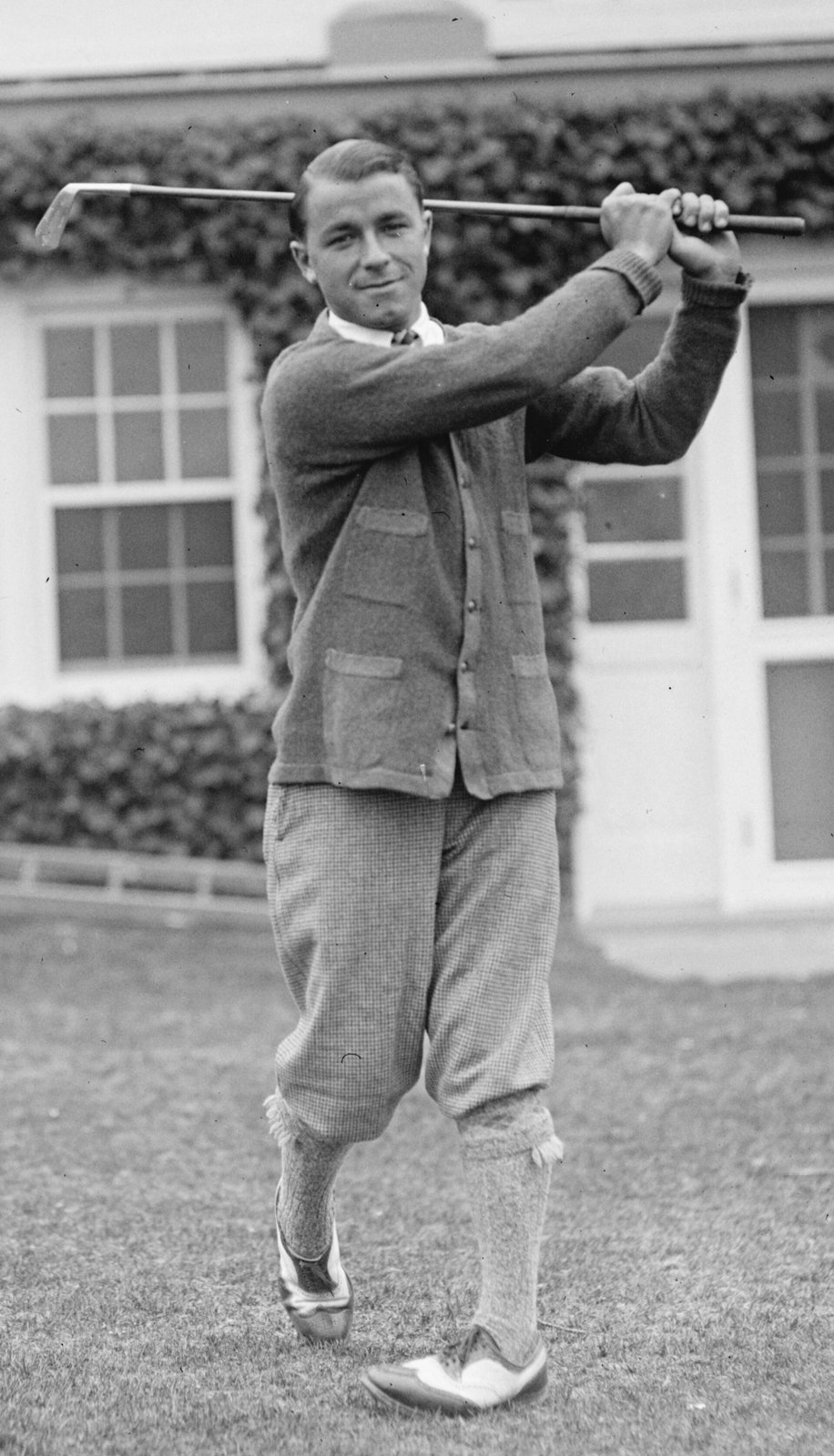
Plus fours gave golfers more freedom of movement than traditional knickerbockers, which mattered through the swing and over a long walk. They also read as proper sporting dress in the 1920s, when golf had a recognizable uniform.
History
Plus fours are breeches that extend four inches below the knee, four inches longer than traditional knickerbockers, which is where the name comes from. Knickerbockers had been linked with sporting dress since the 1860s. Plus fours arrived in the 1920s and became popular with golfers and game shooters because they allowed more freedom of movement than knickerbockers. They suited the looser clothes and looser living of the decade. Edward, Prince of Wales, the future Edward VIII and later Duke of Windsor, introduced plus fours to the United States during a trip in 1924. Gene Sarazen competed in knickers or plus fours throughout his life, the fashion when he broke into the top level, and for many years he hit the first ball at an annual fundraising tournament in his signature plus fours. Sarazen, Jones and Hagen were the world's dominant players in the 1920s. The style later returned to prominence through Payne Stewart, who wore plus fours on the PGA Tour. He was reputed to have the biggest wardrobe of all professional golfers, and was often photographed in ivy caps and patterned breeches that sat between plus fours and knickerbockers. After his death the look carried on as a tribute: Rickie Fowler wore plus fours and argyle socks at the 2014 U.S. Open at Pinehurst.

Who wore it best
Edward, Prince of Wales
Introduced plus fours to the United States during a trip in 1924, turning a British sporting cut into an American style.[1]
Gene Sarazen
Competed in knickers or plus fours for his whole career, and for years hit the first ball at an annual fundraising tournament in his signature plus fours.[2]
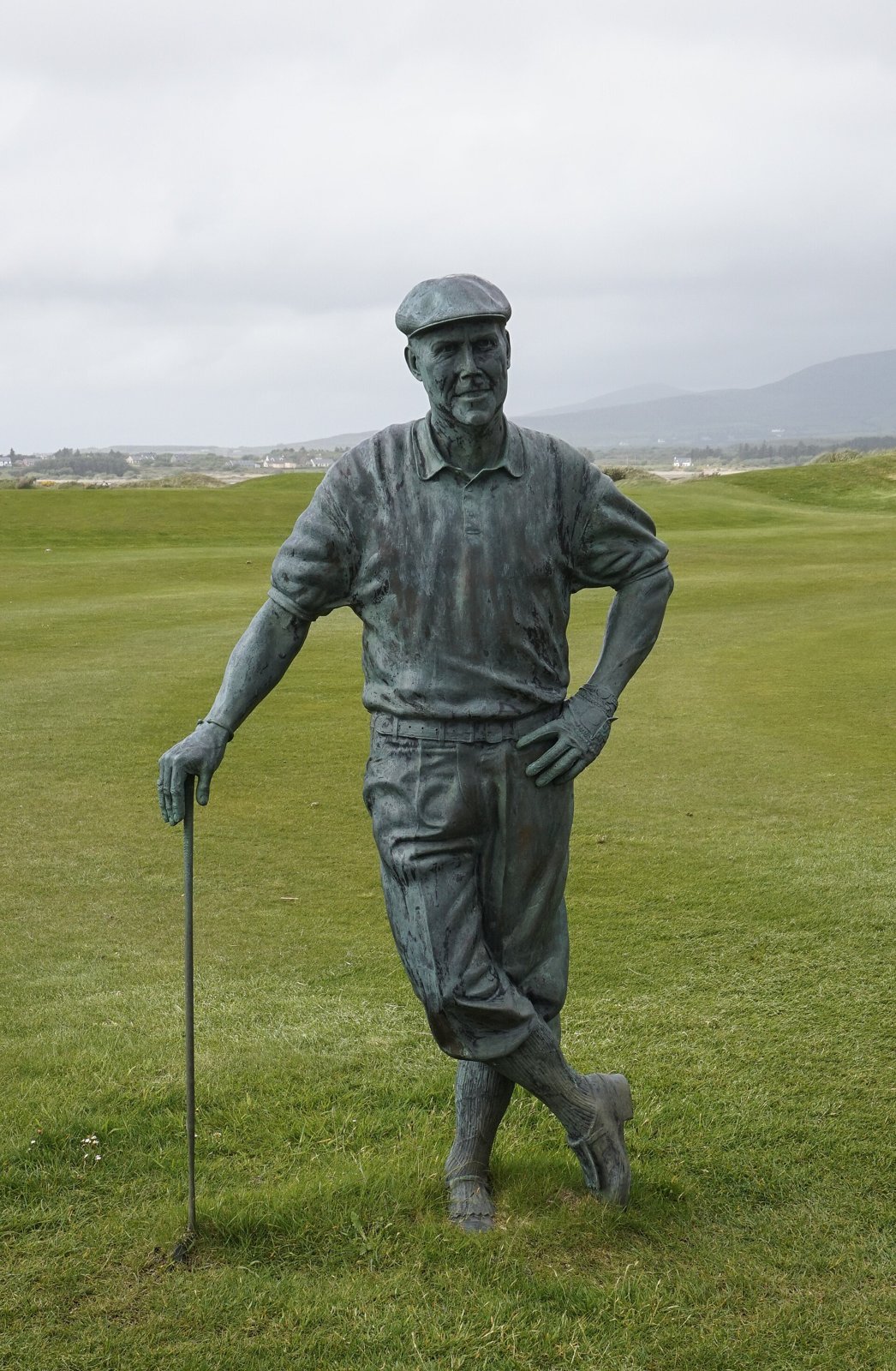
Payne Stewart
Brought plus fours back to prominence on the PGA Tour, often photographed in ivy caps and patterned breeches that sat between plus fours and knickerbockers.[3]
Rickie Fowler
Wore plus fours and argyle socks on the first day of the 2014 U.S. Open at Pinehurst as a tribute to Payne Stewart.[3]
How to wear it now
- Keep the length honest: the hem should sit about four inches below the knee, not at or above it.
- Balance the volume below with something neat above. A fitted polo or a fine-gauge knit works better than a loose sweatshirt.
- Pick one pattern only. Argyle socks or checked breeches, never both at once.
- Finish with a leather belt, brogues or classic spikes, and a flat cap if you want the full 1920s read.
- On cooler days, knee socks in a solid color keep the shape clean and warm your calves.
Where to buy
New
Vintage
Links open the shop's own site. Some may earn us a commission.
Sources
- Plus fours, Wikipedia. Retrieved 2026-09-29.
- Gene Sarazen, Wikipedia. Retrieved 2026-09-29.
- Payne Stewart, Wikipedia. Retrieved 2026-09-29.
Updated .